Afraid of getting it wrong is more common than you think
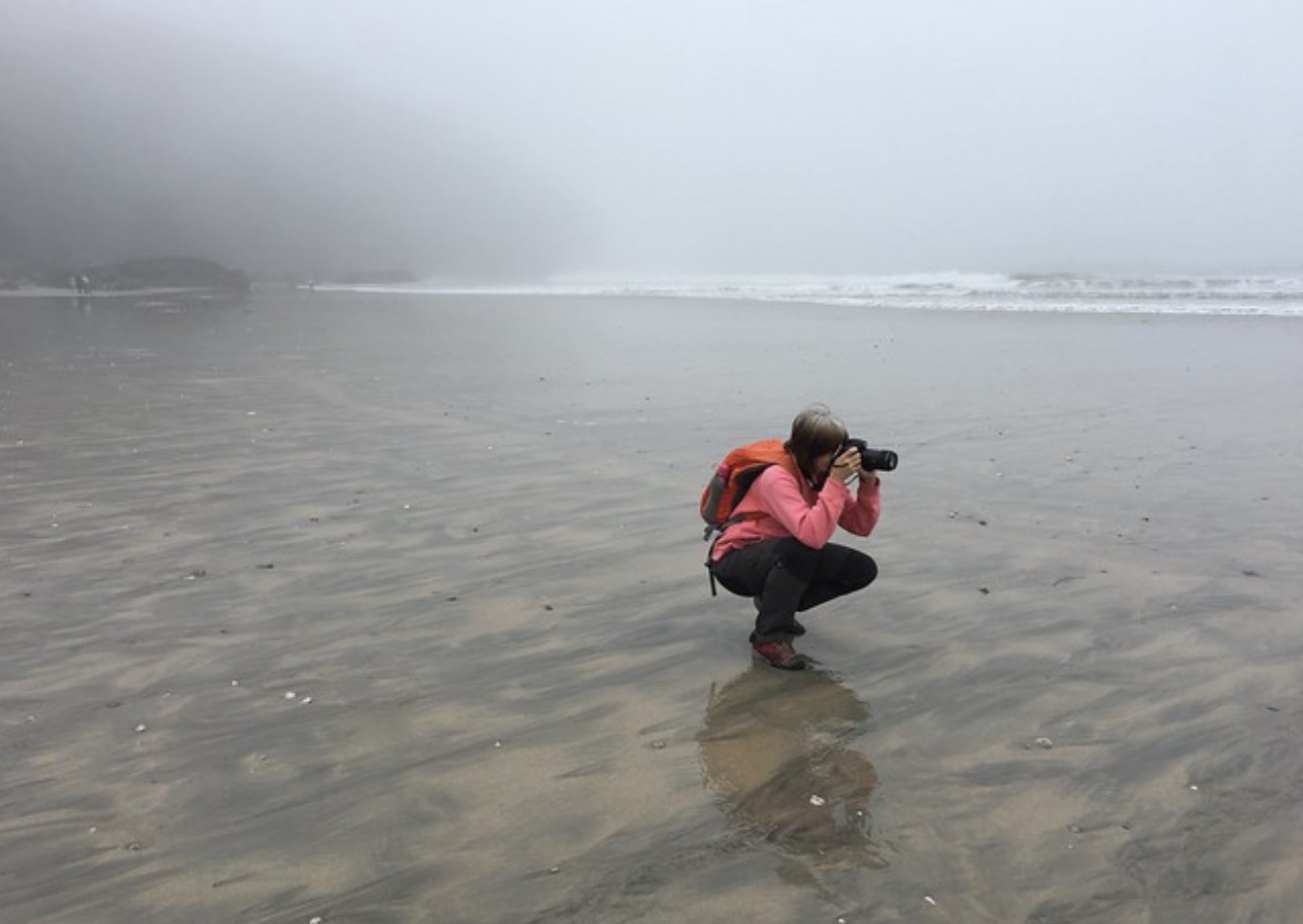
What if you’re not afraid of taking bad photos, but of getting it wrong?
I used to think I needed to know more.
More about my camera, about composition, about what made a photo good.
I’d look at other photographers’ work and wonder how they knew what to photograph, how they saw things I hadn’t seen, and whether I was missing some essential knowledge that everyone else seemed to possess.
I was self-taught, I didn’t have qualifications or letters after my name, sometimes, standing among other photographers, I felt as though they had a right to be there that I hadn’t quite earned.
I didn’t always say that out loud, but I felt it.
And when you don’t quite trust yourself, it’s remarkably easy to believe that someone else must know better.
When learning becomes a way of hiding
There’s nothing wrong with wanting to learn, I’m still curious, I still want to understand things and discover new ways of seeing, but I began to notice a difference between learning because I was interested and learning because I was afraid.
One comes from curiosity, the other comes from the uncomfortable feeling that you’re not quite good enough yet, so you keep looking for answers. You check the rules, compare your work with someone else’s, wonder whether your photo would be taken more seriously if you’d approached it differently.
And all the while, the thing that made you pick up your camera in the first place can get lost.
That moment when something caught your attention, a shape, a shadow, a piece of rust, a pattern in a rock.
Something that made you stop.
Before you could tell yourself whether it was worth photographing, you were interested.
Isn’t that where photography begins?
The problem with always looking outside yourself
When I constantly looked outside myself for reassurance, I gave other people’s opinions more authority than my own experience.
I was looking for certainty, I wanted to know that I was doing it right before I allowed myself to trust what I saw, but photography doesn’t always offer that kind of certainty.
Two people can stand in exactly the same place and see entirely different things, neither has to be wrong.
What draws me to a photo might leave someone else completely unmoved, a photo I care deeply about might not be the one that gets the most attention.
I’m learning that this doesn’t automatically mean I’ve failed, it means we see differently, perhaps that difference is something worth protecting, rather than correcting.
You can be a photographer and still be learning
I wish I’d understood earlier that I didn’t have to reach a certain level of knowledge before I was entitled to call myself a photographer, I didn’t need to know everything, I didn’t need everyone to like my photos, and I didn’t need to make work that proved I belonged in the room.
I could be uncertain and still be curious. I could make photos that didn’t work, I could change my mind, experiment, and follow an idea that led nowhere.
None of those things meant I wasn’t a photographer, they meant I was practising, exploring and finding my own way.
I’m still learning to trust that, not because self-doubt has disappeared, but because I’m beginning to recognise when I’m looking for permission instead of listening to myself.
What if you tried something different?
The next time you pick up your camera, try not to begin with the question, Will this make a good photo?
Instead, ask yourself:
What has caught my attention? What am I curious about? What would I photograph if I didn’t have to show it to anyone?
You don’t have to make something impressive, you don’t have to explain why you took the photo, you don’t even have to like the result, just notice what draws you in & give yourself permission to follow it.
Because the point isn’t to stop learning, or to stop caring about your photos, its to stop treating every photo as a test of whether you’re good enough.
Your way of seeing doesn’t need to look like anyone else’s, and you don’t have to prove you belong before you begin to trust it.
A question to leave you with:
Have you ever found yourself questioning a photo you loved simply because you weren’t sure other people would understand it?
Mel