What if getting it wrong is a part of learning?
A woman in the shop told me today that her six driving lessons had felt like six failures.
She was anxious about her next lesson and had started to wonder whether she would ever be able to drive.
I told her, “Failures are lessons.”
I walked away thinking about how easily we forget this.
Six driving lessons and she had already decided she was failing.
And how often do we do exactly the same thing with our photography?
We take a photograph, then it doesn’t look quite how we imagined it.
Delete!!
We take another, we look at it for a while, and maybe someone else’s photograph comes to mind.
Delete!!
We scroll through Instagram and see what other photographers are doing.
Suddenly we’re wondering whether our own photographs are good enough.
We second-guess, compare and we stop posting.
Sometimes we even stop taking photographs.
Because somewhere along the way, getting something wrong stopped feeling like part of learning and started feeling like evidence that we weren’t good enough.
I think this can begin much earlier than we realise.
For some of us, childhood was a place where mistakes brought criticism.
Being told off for doing something wrong.
Being made to feel foolish for not understanding.
Learning to watch carefully before we acted.
Learning to read the room.
Learning that there was a right way to do things, and that getting it wrong could have consequences.
So we became very good at trying to get things right.
And then we grow up..
And somewhere along the way we pick up a camera!
And we bring that same expectation with us, we expect every photograph to be good.
Every photograph should be worth keeping, every photograph should be worth posting.
We want to know whether we’ve done it right.
But photography isn’t an exam, there isn’t always a right answer.
My mum took years to pass her driving test.
And it took me years to summon up the courage to even start taking lessons.
Looking back, neither of us was failing.
We were learning.
Perhaps that’s something we need to remember when we’re learning to see photographically, too.
The photograph that didn’t work isn’t necessarily a failure.
It might have taught you something about light.
Or colour.
Or composition.
Or simply what doesn’t interest you.
And sometimes it teaches you something much more important:
what you actually like.
Because if we’re constantly trying to make the photograph we think other people will approve of, we can lose touch with our own response.
We start photographing for the imagined audience rather than ourselves.
Photography then becomes another place where we try to be “good”.
And I don’t think creativity works very well that way.
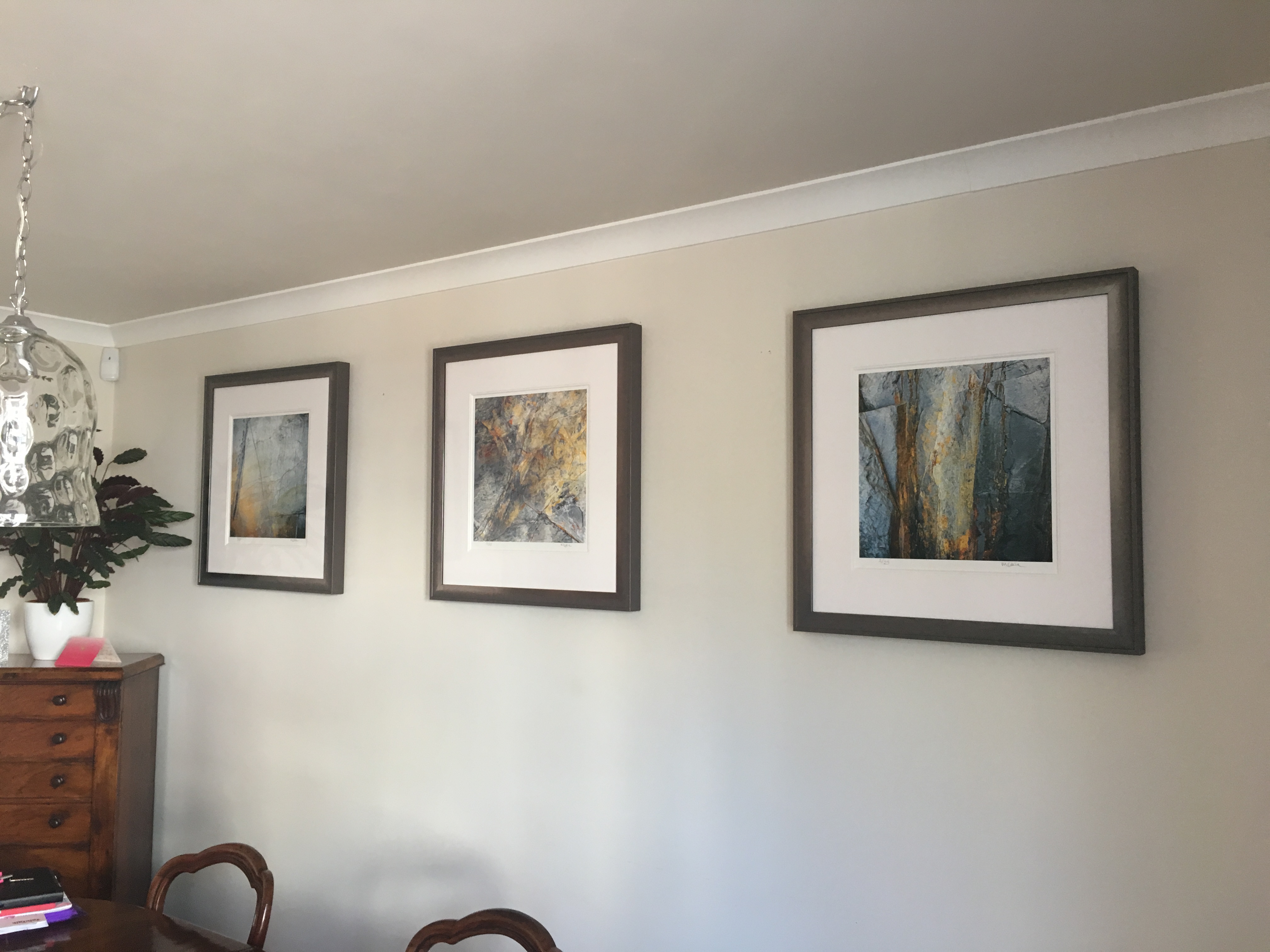
Some of the photographs I love most aren’t technically perfect.
They are the photographs that made me stop.
Something caught my attention.
A colour.
A texture.
A tiny detail.
A piece of decay.
Something other people might have walked straight past.
That moment of noticing matters more to me now than whether somebody else thinks the photograph is good.
Perhaps that is what learning to photograph really is.
Not learning how to get every photograph right.
Learning how to trust yourself enough to keep taking photographs when some of them are wrong.
To leave the blurry one.
The awkward one.
The one you’re not sure about.
The one nobody else understands.
Because you don’t yet know what those photographs are teaching you.
And maybe the goal isn’t to become a photographer who never gets it wrong.
Maybe it’s to become a photographer who no longer believes getting it wrong means something is wrong with them.
You don’t become confident by never making a mistake.
You become confident by discovering that you can make one, learn from it, and keep going.
Just like learning to drive.
Perhaps the next time you take a photograph that doesn’t work, don’t delete it immediately.
Pause.
Look again.
And instead of asking:
“Is this a good photograph?”
ask yourself:
“What is this photograph teaching me about how I see?”
You might be surprised by the answer.
Mel