
Mindful Photography
Mindful Photography
For women who learned to put themselves last.
Recovering people-pleasers
Finding calm, presence, and self-connection
Through tiny pauses & mindful photography
WEEKLY BLOG POSTS.
WEEKLY BLOG POSTS
What is a Nervous System?
“If you are at peace you are living in the present .” - Lao Tzu
Your Nervous System Isn't Broken. Its Trying To Protect You
Feeling tired, wired, bloated, foggy, or on edge?
It might not be " you"
It could be your nervous system...
What The Nervous System Is..
There is a lot of talk about the nervous system, but what is it exactly, and where is it?
Can it be reset, and how? Can it help you out of pain and move in a different way that benefits your future self?
I thought I would share what I have learned over the past 5 years, maybe something here will resonate..
1. Two Main Parts
Firstly..your nervous system is your bodies safety system. It is always asking - " am I safe right now?"
It controls: Breathing. Heart Rate. Digestion. Sleep. Focus. Reactions to stress.
It is made up from 2 main parts: CNS - central nervous system and PNS - peripheral nervous system, but what are they?
CNS
This is your brain and spinal cord plus parts of the eyes- retina and optic nerve.
PNS
Everything else...however it has 2 subsystems.
These are: ANS - Autonomic Nervous System. This is part of your nervous system that connects your brain to most of your internal organs.
Somatic Nervous System - This includes muscles you can control, plus sensory information from sound, smell, taste, touch.
4. What does it do?
The ANS breaks down into these areas:
Sympathetic - this is your "go" system , responsible for fight or flight, freeze and the lesser known, fawn. It switches on when your body sense danger or pressure. You might notice, tense jaw, shallow breathing, racing thoughts, gut issues, bloating, trouble sleeping, always " doing" even when exhausted. This system isn't bad, its super helpful short term, but exhausting if it's always on.
Parasympathetic - this is your " safe and slow" system that is responsible for rest and digest. It can trigger reactions from the immune system. It supports: Deep Breathing. Digestion. Hormone balance. Restful sleep. Clearer thinking. Feeling grounded in your body.
This is where healing happens
5. Why Should You Care?
When we are stressed, anxious, worried, unsure, fearful etc we can get stuck in the Sympathetic area of the ANS.
This can mean we struggle to make decisions that make sense for the wellbeing of our future self.
We can have too much Cortisol ( a hormone that helps us when we are in danger to fight or run) and as this come from our adrenal glands on top of the kidney we can have back pain as a result or if we have been in the " survival mode" for a while we can have adrenal fatigue and just feel totally exhausted, have problems getting to staying asleep, issues with our gut like IBS , feel irritable, agitated, anxious.
However they are protective responses, not personality flaws, which for some of the perfectionists amongst us, could be a good thing to get your head around.
6. It Drives Long-Term Habits
Over time, being in " survival mode" means we feel stuck, useless, tired, with constant and unexplained aches and pains. It stops us feeling creative, we feel blocked, unsure which way to turn, what to do for the best incase we make a wrong decision or no one likes us for it. We tend to overthink, and can end up numbing from our overstimulation with addictions like drinking, eating, shopping, doom scrolling.
A lot of this can come from conditioning as a child.
Maybe a parent was lacking in being there for us and we had to over perform for attention
Maybe we had to compete with popular siblings for attention which left us feeling worthless
Maybe we came from an alcoholic home and had to be carers for ourselves as well as parents.
Maybe we came from abusive homes where hiding the truth and people pleasing, walking on egg shells became so habitual it was just life, and became a part of being " normal"
Maybe we were hospitalised as a child for an injury or sickness, long times away from the family and not being heard when crying in the ward.
Maybe our parents didn't want to pick us up when we cried in the cot for fear of mollycoddling us because leaving a crying child in a cot would " teach them something"
There are so many "maybes" that slowing down to listen to our own bodies cries for help becomes a priority n order to heal and practice kindness towards ourselves and others instead of passing judgements of what we " think" we should be like or what others " should" be doing with their lives.
7. Sympathetic Mode Can Cause Problems When We Are Stuck In It
So what does being in sympathetic mode look like:
Fight - snapping, irritation, control
Flight - overdoing, staying busy, can't stop
Freeze - numb, stuck, exhausted, disconnected
Fawn - people pleasing, saying yes when you mean no
All are equally valid here, and you could feel all three.Your body learned these to keep you safe from danger and threat.
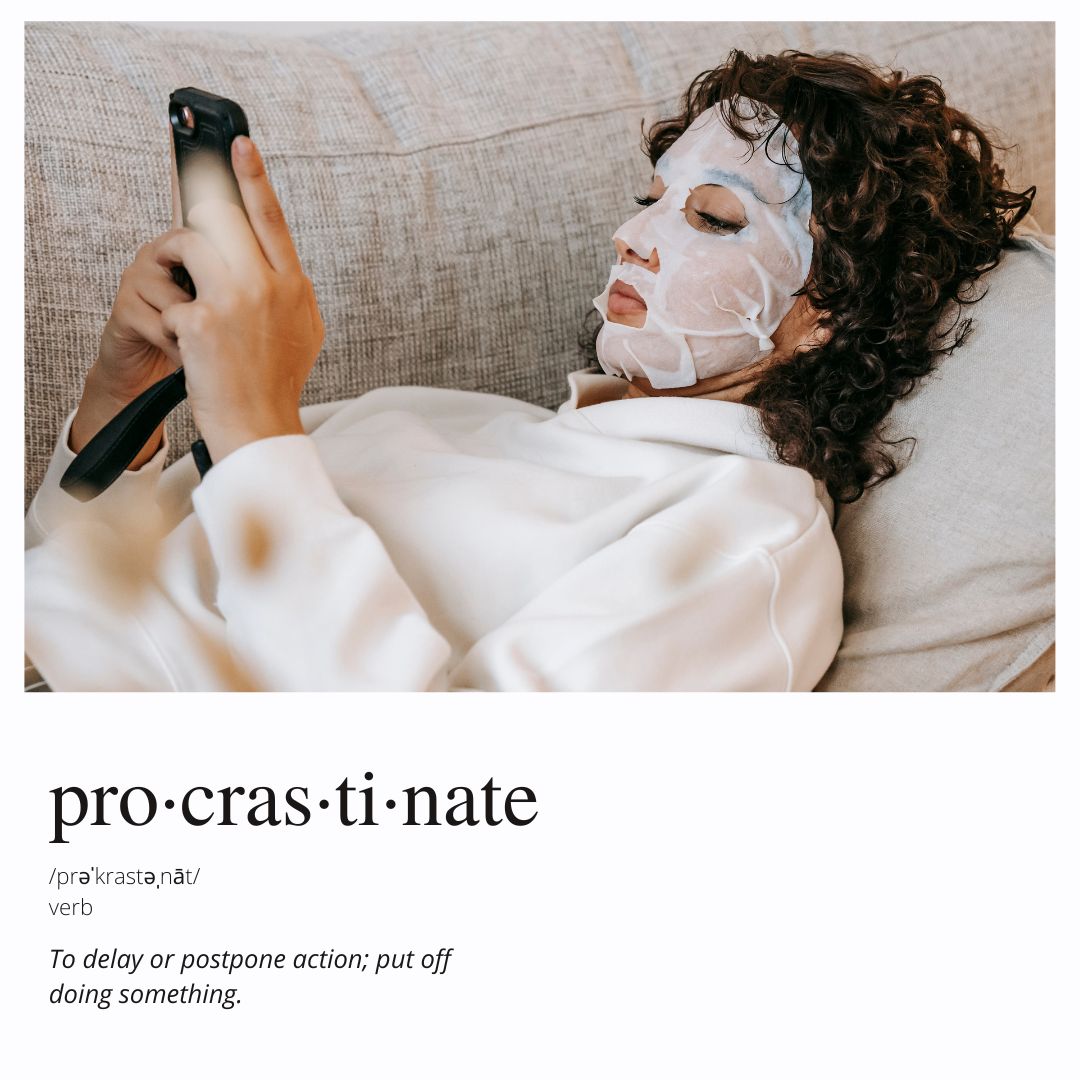
For me - it was freeze - feeling I was detached, always procrastinating, feeling like I wasn't really there in the moment.
I was in freeze mode which meant my body disconnected from what was happening, I had to be numb from listening to my brains response to fear, which meant, as an adult, I had to unlearn that, befriend it and build capacity to lessen the freeze responses and the people pleasing which made me ill often through exhaustion, lack of sleep and overdoing.
How This Affects Daily Life
When stress mode stays on for too long, it can affect the following:
Gut health, bloating, cravings, discomfort
Sleep , feeling wired but tired
Mindset, overthinking, self doubt, anxiety
Choices, reacting instead of responding.
This isn't a weakness, its juts biology
Understanding a little bit more about your inner landscape can help you slow down to sense and feel what happens, how your body responds to a traumatic event.
A traumatic event from the past can get " stuck" in the tissues of the body.
Practicing slow and aware movements have helped me feel less restricted, less concerned about what others think of me , listening to my needs and allowing me to practice them
That slow awareness practice has helped calm the breathing, with sleep, my digestion, my skin is better without having to resort to expensive creams.
Why Is That ?
Instead of pushing through, moving slowly , noticing sensations, breathing gently, tells the nervous system that you are safe now.
When you feel overwhelmed, stressed, reactive, have skin or digestive issues like IBS, aches and pains, a " syndrome" , understanding the nervous system and how it works can go a long way to allowing the layers of " coping" that have built up over the years, can help to let go and unlearn those coping mechanisms.
It's always down to you...but heres the thing, I resisted this slow way of moving and body awareness for years, until lockdown created the time and the necessity due to the extra stress it created, to learn more , to educate myself and to help my clients unwind, have less tress and be kinder to themselves.
I now can, all these years later, be true to myself, with all the flaws, and recognise that resistance is also a reaction to trauma, a way of keeping safe with what we know, rather than making a change and really feeling the benefit.
Reconnection
Calm doesn't come from thinking harder. It comes from listening to the body. Small gentle practices can:
Soften tension
Settle the gut
Quiet the mind
Improve Sleep
Help you feel like you again
You don't need fixing. Your body isn't failing you, it just needs support, safety and time.
Mel x
P.S. If my writing has helped you in anyway today, please consider buying me a coffee as if we were in cafe having a chat. Thank you. You can do that here
P.P.S. Grab a free 10 minute lesson here. I blend Pilates and Somatics together to help move the spine, ribs, shoulders, pelvis and breath but without overwhelm and over pushing.
P.P.P.S. Or you could download my gentle guide to help you practice Somatics and mindful photography as I blend them together . My free beginners guide to mindful photography Calm In The Frame is here
What is a Nervous System?
“If you are at peace you are living in the present .” - Lao Tzu
Your Nervous System Isn't Broken. Its Trying To Protect You
Feeling tired, wired, bloated, foggy, or on edge?
It might not be " you"
It could be your nervous system...
What The Nervous System Is..
There is a lot of talk about the nervous system, but what is it exactly, and where is it?
Can it be reset, and how? Can it help you out of pain and move in a different way that benefits your future self?
I thought I would share what I have learned over the past 5 years, maybe something here will resonate..
1. Two Main Parts
Firstly..your nervous system is your bodies safety system. It is always asking - " am I safe right now?"
It controls: Breathing. Heart Rate. Digestion. Sleep. Focus. Reactions to stress.
It is made up from 2 main parts: CNS - central nervous system and PNS - peripheral nervous system, but what are they?
CNS
This is your brain and spinal cord plus parts of the eyes- retina and optic nerve.
PNS
Everything else...however it has 2 subsystems.
These are: ANS - Autonomic Nervous System. This is part of your nervous system that connects your brain to most of your internal organs.
Somatic Nervous System - This includes muscles you can control, plus sensory information from sound, smell, taste, touch.
4. What does it do?
The ANS breaks down into these areas:
Sympathetic - this is your "go" system , responsible for fight or flight, freeze and the lesser known, fawn. It switches on when your body sense danger or pressure. You might notice, tense jaw, shallow breathing, racing thoughts, gut issues, bloating, trouble sleeping, always " doing" even when exhausted. This system isn't bad, its super helpful short term, but exhausting if it's always on.
Parasympathetic - this is your " safe and slow" system that is responsible for rest and digest. It can trigger reactions from the immune system. It supports: Deep Breathing. Digestion. Hormone balance. Restful sleep. Clearer thinking. Feeling grounded in your body.
This is where healing happens
5. Why Should You Care?
When we are stressed, anxious, worried, unsure, fearful etc we can get stuck in the Sympathetic area of the ANS.
This can mean we struggle to make decisions that make sense for the wellbeing of our future self.
We can have too much Cortisol ( a hormone that helps us when we are in danger to fight or run) and as this come from our adrenal glands on top of the kidney we can have back pain as a result or if we have been in the " survival mode" for a while we can have adrenal fatigue and just feel totally exhausted, have problems getting to staying asleep, issues with our gut like IBS , feel irritable, agitated, anxious.
However they are protective responses, not personality flaws, which for some of the perfectionists amongst us, could be a good thing to get your head around.
6. It Drives Long-Term Habits
Over time, being in " survival mode" means we feel stuck, useless, tired, with constant and unexplained aches and pains. It stops us feeling creative, we feel blocked, unsure which way to turn, what to do for the best incase we make a wrong decision or no one likes us for it. We tend to overthink, and can end up numbing from our overstimulation with addictions like drinking, eating, shopping, doom scrolling.
A lot of this can come from conditioning as a child.
Maybe a parent was lacking in being there for us and we had to over perform for attention
Maybe we had to compete with popular siblings for attention which left us feeling worthless
Maybe we came from an alcoholic home and had to be carers for ourselves as well as parents.
Maybe we came from abusive homes where hiding the truth and people pleasing, walking on egg shells became so habitual it was just life, and became a part of being " normal"
Maybe we were hospitalised as a child for an injury or sickness, long times away from the family and not being heard when crying in the ward.
Maybe our parents didn't want to pick us up when we cried in the cot for fear of mollycoddling us because leaving a crying child in a cot would " teach them something"
There are so many "maybes" that slowing down to listen to our own bodies cries for help becomes a priority n order to heal and practice kindness towards ourselves and others instead of passing judgements of what we " think" we should be like or what others " should" be doing with their lives.
7. Sympathetic Mode Can Cause Problems When We Are Stuck In It
So what does being in sympathetic mode look like:
Fight - snapping, irritation, control
Flight - overdoing, staying busy, can't stop
Freeze - numb, stuck, exhausted, disconnected
Fawn - people pleasing, saying yes when you mean no
All are equally valid here, and you could feel all three.Your body learned these to keep you safe from danger and threat.
For me - it was freeze - feeling I was detached, always procrastinating, feeling like I wasn't really there in the moment.
I was in freeze mode which meant my body disconnected from what was happening, I had to be numb from listening to my brains response to fear, which meant, as an adult, I had to unlearn that, befriend it and build capacity to lessen the freeze responses and the people pleasing which made me ill often through exhaustion, lack of sleep and overdoing.
How This Affects Daily Life
When stress mode stays on for too long, it can affect the following:
Gut health, bloating, cravings, discomfort
Sleep , feeling wired but tired
Mindset, overthinking, self doubt, anxiety
Choices, reacting instead of responding.
This isn't a weakness, its juts biology
Understanding a little bit more about your inner landscape can help you slow down to sense and feel what happens, how your body responds to a traumatic event.
A traumatic event from the past can get " stuck" in the tissues of the body.
Practicing slow and aware movements have helped me feel less restricted, less concerned about what others think of me , listening to my needs and allowing me to practice them
That slow awareness practice has helped calm the breathing, with sleep, my digestion, my skin is better without having to resort to expensive creams.
Why Is That ?
Instead of pushing through, moving slowly , noticing sensations, breathing gently, tells the nervous system that you are safe now.
When you feel overwhelmed, stressed, reactive, have skin or digestive issues like IBS, aches and pains, a " syndrome" , understanding the nervous system and how it works can go a long way to allowing the layers of " coping" that have built up over the years, can help to let go and unlearn those coping mechanisms.
It's always down to you...but heres the thing, I resisted this slow way of moving and body awareness for years, until lockdown created the time and the necessity due to the extra stress it created, to learn more , to educate myself and to help my clients unwind, have less tress and be kinder to themselves.
I now can, all these years later, be true to myself, with all the flaws, and recognise that resistance is also a reaction to trauma, a way of keeping safe with what we know, rather than making a change and really feeling the benefit.
Reconnection
Calm doesn't come from thinking harder. It comes from listening to the body. Small gentle practices can:
Soften tension
Settle the gut
Quiet the mind
Improve Sleep
Help you feel like you again
You don't need fixing. Your body isn't failing you, it just needs support, safety and time.
Mel x
P.S. If my writing has helped you in anyway today, please consider buying me a coffee as if we were in cafe having a chat. Thank you. You can do that here
P.P.S. Grab a free 10 minute lesson here. I blend Pilates and Somatics together to help move the spine, ribs, shoulders, pelvis and breath but without overwhelm and over pushing.
P.P.P.S. Or you could download my gentle guide to help you practice Somatics and mindful photography as I blend them together . My free beginners guide to mindful photography Calm In The Frame is here