
Mindful Photography
Mindful Photography
Mindful Photography & Courses
For recovering people-pleasers, & overwhelmed minds
Find calm, presence, and self-connection
through tiny pauses & mindful photography
WEEKLY BLOG POSTS
WEEKLY BLOG POSTS
More space to be more
“Why do you run around looking for the truth? Be still and there it is, in the mountain, in the pine and in yourself. ” - Lao Tzu
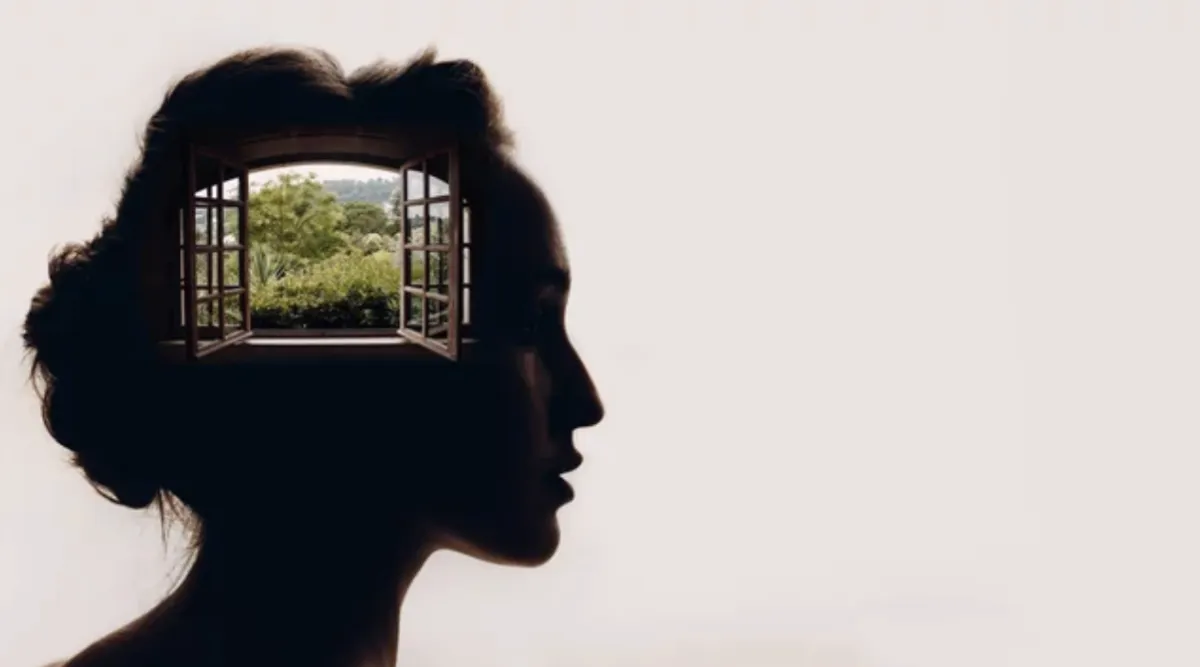
I didn't have the word dissociation when I was young.
I just knew there were moments when I disappeared.
Not physically, like it was my super power!
I was still there, functioning, doing, coping
But something essential would shut down, a numbness, a fog.
A sense of being behind glass.
I grew up with childhood trauma
My father was the abuser.
Like many survivors, I learned early that leaving my body was safe than staying in it.
As I've aged, I am now 60, I have become more curious, less judgemental, and more willing to look honestly at my inner world.
Covid was a turning point.
I was teaching Pilates, watching my clients react to uncertainty, fear, and loss of control. And I recognised myself in them.
That's when I began to learn about the nervous system.
What fight, flight, freeze and fawn actually were and how they showed up in our bodies, how our system reacted, and the signs to listen for.
Those responses finally gave language to what I'd lives with for decades. When people say " just man up" or " get on with it" they're usually speaking from not understanding an unregulated nervous system
When your system has been shaped by fear, unpredictability or abuse, your reactions aren't choices.
They're survival strategies
For me, freeze is the hardest.
It's not dramatic like fight, or flight.
Its quiet.
I shut down. I go blank. I feel far away from myself.
Coping mechanisms can and have been:
Waking up super early
Writing compulsively
Scrolling mindlessly
Keeping busy so I don't have to feel
I often cope by overdoing and people pleasing as ways of coping as that state often just feels unbearable.
From the outside it can look productive.
Inside, its avoidance.
Dissociation, though, isn't weakness. It's actually intelligence. It's what kept and is keeping many of alive, its survival strategy.
However, I have learned that what protects you in childhood can limit you later in life
That realisation is one of the reasons I shifted my work. I began teaching slower, more restorative Pilates classes, using more nervous system aware language and movements, mixed with Pilates. It felt more fulfilling, instead of performance based.
I also noticed using my love photography became more mindful, not to create perfect images, but to help people come back into their bodies, their breath, their moment. I called my free guide, Calm in The Frame.
These practices aren't about fixing, because that can be totally exhausting, it takes time, you cant rush it, and trying to fix becomes perfectionism, you lose the real connection and the unravelling.
Instead, these practices are about returning, because reconnecting isn't a one time event, its a daily practice.
Recently , as it is with life, it often feels like its having a laugh with you and loves to test you.
My partner is recovering from a nasty bout of sepsis. There were moments I genuinely thought he may not live to see the end of 2025.
And when you are living with that, with the person you love going through illness, your own nervous system takes a battering. Does that resonate?
Practicing restorative movement helps to move the frustration, fear, hurt and anxiety out of your body instead of pushing it down and trying to keep a brave face.
When threat returns, those old patterns wake up fast. Fo me it feels like my system wants to hide. To go numb. To be " strong"
However, I have learned that strength isn't pushing through.
Its building capacity, because if you don't practice being with discomfort it doesn't just disappear. It turns into things like anger, resentment, illness, IBS, gut issues, tension in the muscles, tension in the jaw, shoulders, pelvic floor.
That's why regulation matters more than thinking positive thoughts
Gratitude in those moments isn't easy for sure. Its not, though, creating a list or coming up with a mantra.
It's much smaller than that
It's the cup of tea someone hands you after a shock.
It's a blanket being wrapped around your shoulders for comfort
It's one breath where you realise you are still here.
Dissociation doesn't mean you are broken. It means your nervous system learned well .
Healing doesn't mean you never disappear again, I think thats what people think who have never gone down this road. I've found that once you learn and feel whats going on, what your survival modes are, you understand, and you notice sooner.
And when that happens you can speak more kindly to yourself, and others, because you see it in other people.
You finally stop shaming yourself for needing safety.
At this stage in my life, I have noticed that reconnecting has been showing up in my work more often.
With my breath, body, and ordinary moments , and not done constantly or perfectly either, which is met with a sigh of relief!
Just ordinary gentle moments that anchor me to being alive. And some days that is more than enough.
Mel
If my work resonates and has been helpful, please support my work, buy me a coffee here
This is why I teach Restorative Pilates courses for reconnection can be found here ,my newsletter with course information and my free 10 minute lesson
Mindful Photography Courses and my gentle guide, Calm in the Frame can be found here
More space to be more
“Why do you run around looking for the truth? Be still and there it is, in the mountain, in the pine and in yourself. ” - Lao Tzu
I didn't have the word dissociation when I was young.
I just knew there were moments when I disappeared.
Not physically, like it was my super power!
I was still there, functioning, doing, coping
But something essential would shut down, a numbness, a fog.
A sense of being behind glass.
I grew up with childhood trauma
My father was the abuser.
Like many survivors, I learned early that leaving my body was safe than staying in it.
As I've aged, I am now 60, I have become more curious, less judgemental, and more willing to look honestly at my inner world.
Covid was a turning point.
I was teaching Pilates, watching my clients react to uncertainty, fear, and loss of control. And I recognised myself in them.
That's when I began to learn about the nervous system.
What fight, flight, freeze and fawn actually were and how they showed up in our bodies, how our system reacted, and the signs to listen for.
Those responses finally gave language to what I'd lives with for decades. When people say " just man up" or " get on with it" they're usually speaking from not understanding an unregulated nervous system
When your system has been shaped by fear, unpredictability or abuse, your reactions aren't choices.
They're survival strategies
For me, freeze is the hardest.
It's not dramatic like fight, or flight.
Its quiet.
I shut down. I go blank. I feel far away from myself.
Coping mechanisms can and have been:
Waking up super early
Writing compulsively
Scrolling mindlessly
Keeping busy so I don't have to feel
I often cope by overdoing and people pleasing as ways of coping as that state often just feels unbearable.
From the outside it can look productive.
Inside, its avoidance.
Dissociation, though, isn't weakness. It's actually intelligence. It's what kept and is keeping many of alive, its survival strategy.
However, I have learned that what protects you in childhood can limit you later in life
That realisation is one of the reasons I shifted my work. I began teaching slower, more restorative Pilates classes, using more nervous system aware language and movements, mixed with Pilates. It felt more fulfilling, instead of performance based.
I also noticed using my love photography became more mindful, not to create perfect images, but to help people come back into their bodies, their breath, their moment. I called my free guide, Calm in The Frame.
These practices aren't about fixing, because that can be totally exhausting, it takes time, you cant rush it, and trying to fix becomes perfectionism, you lose the real connection and the unravelling.
Instead, these practices are about returning, because reconnecting isn't a one time event, its a daily practice.
Recently , as it is with life, it often feels like its having a laugh with you and loves to test you.
My partner is recovering from a nasty bout of sepsis. There were moments I genuinely thought he may not live to see the end of 2025.
And when you are living with that, with the person you love going through illness, your own nervous system takes a battering. Does that resonate?
Practicing restorative movement helps to move the frustration, fear, hurt and anxiety out of your body instead of pushing it down and trying to keep a brave face.
When threat returns, those old patterns wake up fast. Fo me it feels like my system wants to hide. To go numb. To be " strong"
However, I have learned that strength isn't pushing through.
Its building capacity, because if you don't practice being with discomfort it doesn't just disappear. It turns into things like anger, resentment, illness, IBS, gut issues, tension in the muscles, tension in the jaw, shoulders, pelvic floor.
That's why regulation matters more than thinking positive thoughts
Gratitude in those moments isn't easy for sure. Its not, though, creating a list or coming up with a mantra.
It's much smaller than that
It's the cup of tea someone hands you after a shock.
It's a blanket being wrapped around your shoulders for comfort
It's one breath where you realise you are still here.
Dissociation doesn't mean you are broken. It means your nervous system learned well .
Healing doesn't mean you never disappear again, I think thats what people think who have never gone down this road. I've found that once you learn and feel whats going on, what your survival modes are, you understand, and you notice sooner.
And when that happens you can speak more kindly to yourself, and others, because you see it in other people.
You finally stop shaming yourself for needing safety.
At this stage in my life, I have noticed that reconnecting has been showing up in my work more often.
With my breath, body, and ordinary moments , and not done constantly or perfectly either, which is met with a sigh of relief!
Just ordinary gentle moments that anchor me to being alive. And some days that is more than enough.
Mel
If my work resonates and has been helpful, please support my work, buy me a coffee here
This is why I teach Restorative Pilates courses for reconnection can be found here ,my newsletter with course information and my free 10 minute lesson
Mindful Photography Courses and my gentle guide, Calm in the Frame can be found here